

-
Profile
Hesion is proud to have clients like you, and we will do our best to provide you with excellent service and become your loyal partner and friend!
-
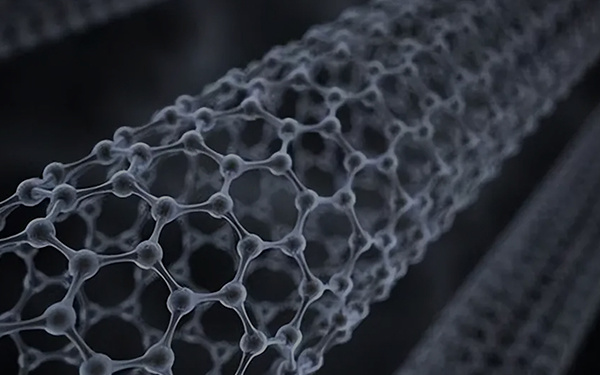
Product
TENS electrode film; conductive carbon film; PE conductive film; anti-static shielding film; anti-static film; anti-static shielding bag; anti-static bag; conductive bag; conductive grid bag; automatic packaging bag; PET anti-static film; conductive tape; plastic packaging; anti-static plastic; transparent conductive sheet; anti-static plastic stationery.
-

Cases
Functional films; shielding materials; plastic sheets; anti-static conductive plastic films; electronic product packaging; plastic packaging products.

News
Aggregate industry real-time dynamics and release news information. Welcome your attention.
Unlocking the Future: The Wonders of Anisotropic Conductive Film Bonding
Release Time:
2025.11.04
Introduction: A Game Changer in Electronics
Have you ever wondered how modern electronics achieve such remarkable performance? The secret often lies in the intricate world of anisotropic conductive film bonding. This technique is revolutionizing how we connect components in various devices, enabling faster and more efficient technology. Buckle up as we dive into this fascinating subject!
What Exactly is Anisotropic Conductive Film Bonding?
To put it simply, anisotropic conductive film (ACF) bonding is a process used to connect two surfaces, often in the realm of electronics. It involves a special type of adhesive that conducts electricity in one direction while acting as an insulator in the other. This unique property makes ACF ideal for applications where space is tight, and reliability is paramount.
How Does It Work?
ACF bonding utilizes tiny conductive particles embedded within a polymer film. When heat and pressure are applied, these particles create a bond that allows electrical current to flow. The beauty of ACF lies in its ability to create high-density interconnections without the need for soldering, which can be a real hassle in compact designs.
The Advantages of ACF Bonding
So, why should you care about anisotropic conductive film bonding? Well, it comes with a plethora of benefits:
- Space Efficiency: ACF bonding is perfect for miniaturized devices, allowing for compact designs without sacrificing performance.
- Thermal Stability: It can withstand high temperatures, making it suitable for a variety of applications, from smartphones to automotive electronics.
- Cost-Effectiveness: By reducing the need for additional soldering processes, manufacturers can save both time and money.
- Reliability: ACF connections are incredibly durable, often outlasting traditional solder joints.
Applications of Anisotropic Conductive Film Bonding
ACF bonding isn't just a one-trick pony; it finds its way into various industries:
- Consumer Electronics: Think smartphones, tablets, and laptops. ACF enables sleek designs while maintaining functionality.
- Automotive: With the rise of electric vehicles, ACF is becoming increasingly vital for connecting sensors and control units.
- Medical Devices: ACF bonding is essential in devices that require precision and reliability, like diagnostic equipment.
Challenges and Considerations
Of course, no technology is without its challenges. ACF bonding requires precise application techniques, and the materials used must be carefully selected to meet specific performance criteria. Additionally, while ACF is useful for many applications, there are scenarios where traditional soldering might still be preferred.
The Future of ACF Bonding
As technology continues to evolve, the demand for more efficient and reliable connections will only grow. The future of anisotropic conductive film bonding looks bright, with ongoing research aimed at enhancing its properties and expanding its applications. Exciting innovations are on the horizon, and we can't wait to see where they take us!
Conclusion: Embracing the Change
In a world that's constantly pushing the envelope, anisotropic conductive film bonding stands out as a beacon of innovation. Whether you're a tech enthusiast or a seasoned engineer, understanding this technology is key to unlocking the future of electronics. So, let's embrace the change and watch as ACF bonding continues to shape our technological landscape!
Let's stay in touch!
We provide you with standardized products, develop customized products, and provide solutions to meet the diverse needs of customers
Service Hotline
Inquire Now
Company Address: No. 691, Huanchang North Road, Changping Town, Dongguan City, Guangdong Province, Building 1, Floor 1, Shangshang Industrial Park
Email:hesion@foxmail.com


WeChat Official Account
Alibaba Credit Pass
Copyright of this page belongs to Dongguan Hesion Anti-static Products Co., Ltd.
Website:300.cn dongguan.300.cn SEO Privacy Policy