

-
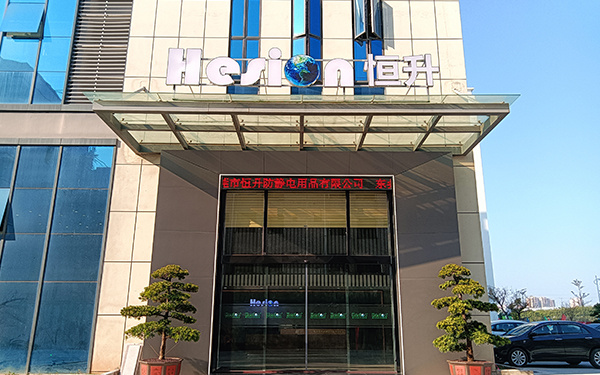
Profile
Hesion is proud to have clients like you, and we will do our best to provide you with excellent service and become your loyal partner and friend!
-

Product
TENS electrode film; conductive carbon film; PE conductive film; anti-static shielding film; anti-static film; anti-static shielding bag; anti-static bag; conductive bag; conductive grid bag; automatic packaging bag; PET anti-static film; conductive tape; plastic packaging; anti-static plastic; transparent conductive sheet; anti-static plastic stationery.
-

Cases
Functional films; shielding materials; plastic sheets; anti-static conductive plastic films; electronic product packaging; plastic packaging products.

News
Aggregate industry real-time dynamics and release news information. Welcome your attention.
Unlocking the Future: Anisotropic Conductive Film Bonding Explained
Release Time:
2025.11.17
The Magic of Anisotropic Conductive Film Bonding
Hey there, tech enthusiasts! Have you ever found yourself scratching your head wondering how modern gadgets manage to be so sleek yet powerful? Well, let me introduce you to a little something called Anisotropic Conductive Film Bonding (ACF bonding). This nifty technique is revolutionizing the way we connect components in electronic devices, making them faster, smaller, and more reliable. So, buckle up as we dive into this fascinating world!
What Is ACF Bonding Anyway?
Alright, let's break it down. At its core, Anisotropic Conductive Film Bonding is a method used to create electrical connections between two surfaces while preventing short circuits from occurring. Sounds cool, right? ACF consists of a polymer film embedded with conductive particles. When heat and pressure are applied, these particles bond with both surfaces, allowing electricity to flow in one direction while keeping everything else in check.
The Benefits of Going Anisotropic
Now, you might be wondering, “Why should I care about this?” Well, here's the kicker: ACF bonding comes with a treasure trove of benefits!
- Precision: The technique allows for precise alignment of components, which is crucial in today's miniaturized electronics.
- Flexibility: ACF can be used on various substrates, including flexible circuits, making it a versatile solution.
- Reliability: With its ability to prevent short circuits, ACF bonding enhances the longevity and reliability of devices.
- Cost-effective: In the long run, the reduced need for complex wiring can lead to significant cost savings.
Applications Galore
Okay, so it's pretty clear that ACF bonding is a game-changer. But where exactly is it used? Let's take a quick look:
- Smartphones: With their intricate layouts and compact designs, smartphones rely heavily on ACF bonding.
- LED Displays: ACF allows for efficient connections in high-definition screens, ensuring vibrant visuals.
- Automotive Electronics: As cars become smarter, ACF plays a crucial role in connecting sensors and displays.
- Wearable Devices: Think smartwatches and fitness trackers! They all benefit from the reliability of ACF bonding.
The Future Is Bright
As technology continues to evolve, so does the need for innovative bonding techniques like ACF. With the rise of the Internet of Things (IoT) and smart devices, the demand for reliable and efficient connections is only going to increase. So, as we look to the future, it's safe to say that Anisotropic Conductive Film Bonding is here to stay!
Final Thoughts
Who knew a little film could have such a big impact? If you're in the tech field, understanding Anisotropic Conductive Film Bonding is crucial for staying ahead of the curve. As we continue to push the boundaries of innovation, let's keep our eyes peeled for more exciting advancements in this arena. Until next time, keep those circuits connected!
Let's stay in touch!
We provide you with standardized products, develop customized products, and provide solutions to meet the diverse needs of customers
Service Hotline
Inquire Now
Company Address: No. 691, Huanchang North Road, Changping Town, Dongguan City, Guangdong Province, Building 1, Floor 1, Shangshang Industrial Park
Email:hesion@foxmail.com


WeChat Official Account
Alibaba Credit Pass
Copyright of this page belongs to Dongguan Hesion Anti-static Products Co., Ltd.
Website:300.cn dongguan.300.cn SEO Privacy Policy