

-
Profile
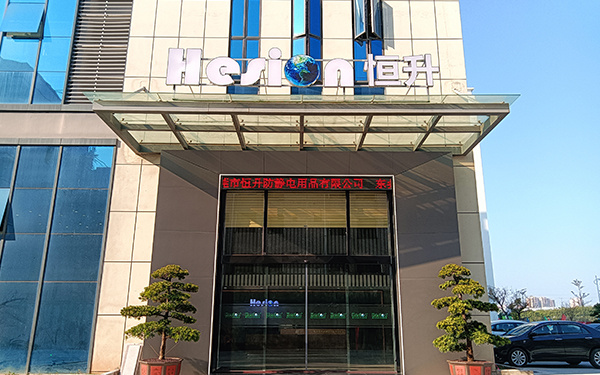
Hesion is proud to have clients like you, and we will do our best to provide you with excellent service and become your loyal partner and friend!
-
Product
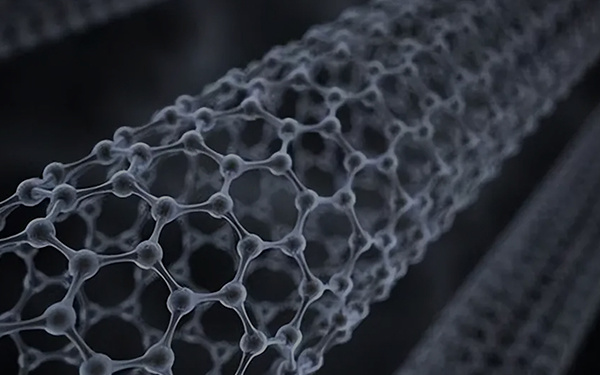
TENS electrode film; conductive carbon film; PE conductive film; anti-static shielding film; anti-static film; anti-static shielding bag; anti-static bag; conductive bag; conductive grid bag; automatic packaging bag; PET anti-static film; conductive tape; plastic packaging; anti-static plastic; transparent conductive sheet; anti-static plastic stationery.
-

Cases
Functional films; shielding materials; plastic sheets; anti-static conductive plastic films; electronic product packaging; plastic packaging products.

News
Aggregate industry real-time dynamics and release news information. Welcome your attention.
Unpacking Anisotropic Conductive Film Adhesive: The Game-Changer in Electronics
Release Time:
2025.11.18
What is Anisotropic Conductive Film Adhesive?
Alright, let's dive right into it! Anisotropic Conductive Film Adhesive (ACFA) is no ordinary adhesive. This nifty product is designed specifically for the electronics industry, connecting components with precision while keeping everything in check. In simpler terms, it conducts electricity in one direction while providing the necessary insulation in others.
Why Go for ACFA?
Now, you might be wondering, why should I care about this adhesive? Well, let me tell you, the benefits are as clear as day:
- Efficiency: ACFA speeds up the assembly process. You can say goodbye to lengthy soldering times!
- Precision: Its anisotropic properties ensure that connections are solid where they need to be, reducing the risk of short circuits.
- Flexibility: Suitable for various substrates, ACFA makes it easy to adapt to different manufacturing needs.
How Does It Work?
Here's the kicker: the magic of Anisotropic Conductive Film Adhesive lies in its unique structure. Imagine a two-layered film sandwich where conductive particles are embedded in an insulating matrix. When pressure is applied, these particles come together, forming conductive pathways. It's a bit like a puzzle; when the pieces fit just right, you get a seamless electrical connection!
Applications Galore!
From smartphones to automotive electronics, the applications of ACFA are as vast as the ocean! Think about it: every time you press a button on your device, there's a good chance that ACFA is ensuring that the electrical signal travels smoothly. It's also widely used in:
- Displays: LCD and OLED screens rely on this adhesive for their functionality.
- Medical Devices: In the world of medical technology, reliability is key, and ACFA delivers!
- Consumer Electronics: TVs, gaming consoles—if it's electronic, ACFA is likely in the mix.
Challenges and Considerations
Of course, it's not all sunshine and rainbows. There are challenges to using Anisotropic Conductive Film Adhesive. One major concern is the curing time, which can vary based on the specific formulation and conditions. So, manufacturers need to be on their toes! Additionally, while ACFA is great for many applications, it might not be the best fit for high-temperature environments.
The Future of ACFA
Looking ahead, the future of Anisotropic Conductive Film Adhesive seems bright! With the growing demand for miniaturization and the rise of IoT devices, ACFA is positioned to play a pivotal role. As technology continues to evolve, so too will the formulations and applications of this remarkable adhesive.
Final Thoughts
To wrap it up, Anisotropic Conductive Film Adhesive is a game-changer in the world of electronics. Its unique properties and versatility make it a go-to choice for manufacturers across various sectors. So next time you pick up your smartphone or turn on your TV, take a moment to appreciate the magic of ACFA working behind the scenes. Isn't technology just amazing?
Let's stay in touch!
We provide you with standardized products, develop customized products, and provide solutions to meet the diverse needs of customers
Service Hotline
Inquire Now
Company Address: No. 691, Huanchang North Road, Changping Town, Dongguan City, Guangdong Province, Building 1, Floor 1, Shangshang Industrial Park
Email:hesion@foxmail.com


WeChat Official Account
Alibaba Credit Pass
Copyright of this page belongs to Dongguan Hesion Anti-static Products Co., Ltd.
Website:300.cn dongguan.300.cn SEO Privacy Policy