

-
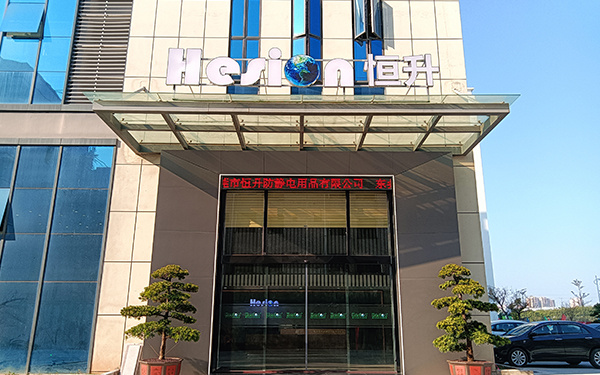
Profile
Hesion is proud to have clients like you, and we will do our best to provide you with excellent service and become your loyal partner and friend!
-
Product
TENS electrode film; conductive carbon film; PE conductive film; anti-static shielding film; anti-static film; anti-static shielding bag; anti-static bag; conductive bag; conductive grid bag; automatic packaging bag; PET anti-static film; conductive tape; plastic packaging; anti-static plastic; transparent conductive sheet; anti-static plastic stationery.
-

Cases
Functional films; shielding materials; plastic sheets; anti-static conductive plastic films; electronic product packaging; plastic packaging products.

News
Aggregate industry real-time dynamics and release news information. Welcome your attention.
Understanding ESD Wafer Separation Film Square in Construction and Decoration
Release Time:
2026.03.12
The ESD wafer separation film square is designed to prevent electrostatic discharge, which can be detrimental to sensitive electronic devices. While the film's primary function might be rooted in electronics, its application in construction materials is gaining traction. When working with high-tech building materials or incorporating electronic systems into structures, using ESD protection becomes vital. This is particularly true when dealing with components that may be sensitive to static electricity, ensuring that no damage occurs during the handling and separation processes.
In the context of steel and membrane structures, ESD wafer separation film squares provide a reliable barrier that helps to ensure the integrity of both the materials and the electronic systems integrated within them. The film’s properties can contribute to a more efficient workflow during the assembly or installation of decorative elements, providing a safe method to handle and transport components. Furthermore, these films can be tailored to various sizes and shapes, making them versatile for different applications in construction projects.
Another advantage of using ESD wafer separation film square in construction is its ability to enhance the overall safety standards of a project. By mitigating the risks associated with electrostatic discharge, construction teams can work with greater confidence, knowing that their materials are protected. This is particularly important in environments where humidity levels can change frequently, potentially increasing the likelihood of static buildup.
Moreover, integrating ESD solutions into construction practices aligns with the industry’s move towards more innovative and technology-driven approaches. As building designs become increasingly complex and reliant on advanced electronics, ensuring that these components are protected becomes not just a best practice, but a necessity.
In conclusion, the application of ESD wafer separation film square in the building and decorative materials sector, especially in steel and membrane structures, underscores the importance of innovation in construction. By employing these films, construction professionals can enhance safety, protect sensitive materials, and improve efficiency during building processes. As the industry evolves, embracing such technologies will undoubtedly pave the way for more resilient and advanced construction practices.
Let's stay in touch!
We provide you with standardized products, develop customized products, and provide solutions to meet the diverse needs of customers
Service Hotline
Inquire Now
Company Address: No. 691, Huanchang North Road, Changping Town, Dongguan City, Guangdong Province, Building 1, Floor 1, Shangshang Industrial Park
Email:hesion@foxmail.com


WeChat Official Account
Alibaba Credit Pass
Copyright of this page belongs to Dongguan Hesion Anti-static Products Co., Ltd.
Website:300.cn dongguan.300.cn SEO Privacy Policy