

-
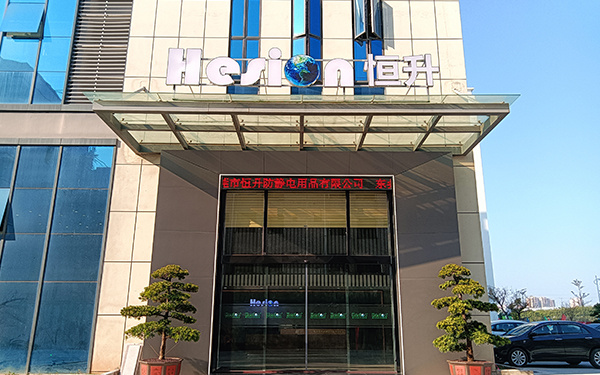
Profile
Hesion is proud to have clients like you, and we will do our best to provide you with excellent service and become your loyal partner and friend!
-
Product
TENS electrode film; conductive carbon film; PE conductive film; anti-static shielding film; anti-static film; anti-static shielding bag; anti-static bag; conductive bag; conductive grid bag; automatic packaging bag; PET anti-static film; conductive tape; plastic packaging; anti-static plastic; transparent conductive sheet; anti-static plastic stationery.
-

Cases
Functional films; shielding materials; plastic sheets; anti-static conductive plastic films; electronic product packaging; plastic packaging products.

News
Aggregate industry real-time dynamics and release news information. Welcome your attention.
Best Practices for Storing LED Materials with ESD Dust-Free Interleaving Paper
Release Time:
2026.05.14
Best Practices for Storing LED Materials with ESD Dust-Free Interleaving Paper
Understanding LED Materials and Their Sensitivity
LED materials, particularly those used in manufacturing and assembly, require careful handling and storage to maintain their integrity. The components often include sensitive electronic parts that can be adversely affected by environmental factors such as moisture, dust, and static electricity. It is crucial for manufacturers and suppliers to implement best practices for storage to prevent damage and ensure optimal performance.
The Importance of Proper Storage
When LED materials are not stored properly, the risk of degradation increases significantly. Exposure to contaminants can lead to failures in the final product, affecting both performance and reliability. Hence, understanding the unique requirements of LED materials is vital for maintaining their quality and longevity.
What is ESD Dust-Free Interleaving Paper?
ESD (Electrostatic Discharge) dust-free interleaving paper is specially designed to protect sensitive electronic components. This type of paper is manufactured to minimize static electricity and dust accumulation, making it an ideal choice for storing LED materials.
Features of ESD Dust-Free Interleaving Paper
- **Anti-Static Properties**: ESD paper prevents the buildup of static electricity, which can lead to discharge events harmful to electronic components.
- **Dust Resistance**: The dust-free nature of this paper ensures that contaminants do not settle on sensitive surfaces.
- **Durability**: Made to withstand various environmental conditions, ESD paper provides long-lasting protection for stored materials.
Best Practices for Using ESD Dust-Free Interleaving Paper
Implementing ESD dust-free interleaving paper requires specific methodologies to maximize its effectiveness. Here are the best practices for utilizing this protective material when storing LED components.
1. Prepare the Storage Environment
Before introducing ESD dust-free interleaving paper into your storage process, ensure the storage environment is clean and controlled.
- **Control Humidity**: Maintain optimal humidity levels to prevent moisture-related damage. Ideally, humidity should be kept between 40% and 60%.
- **Temperature Regulation**: Store materials in a temperature-controlled environment, ideally below 25°C (77°F).
2. Use ESD Protective Bags
When placing LED materials in storage, consider using ESD protective bags in conjunction with interleaving paper.
- **Layering Method**: Place ESD dust-free interleaving paper between layers of components within the protective bag to minimize direct contact and provide cushioning against physical damage.
- **Seal Properly**: Ensure the bags are properly sealed to avoid any environmental exposure that may compromise the stored components.
3. Optimize Packaging Techniques
Utilizing the right packaging techniques is key to protecting LED materials.
- **Avoid Bulk Storage**: Do not stack heavy items on top of sensitive components, as this may lead to physical damage.
- **Individual Wrapping**: Wrap each LED component individually in ESD dust-free interleaving paper to further reduce the risk of damage.
4. Maintain Cleanliness in Storage Areas
Establish a strict cleanliness protocol in storage areas to prevent contamination.
- **Regular Cleaning**: Clean storage areas frequently to remove dust and debris that may accumulate over time.
- **Use Appropriate Cleaning Supplies**: Utilize non-static producing cleaning supplies to avoid introducing static charges into the environment.
5. Monitor and Track Storage Conditions
Implement monitoring systems to track the conditions of your storage environment.
- **Temperature and Humidity Sensors**: Install sensors to continuously monitor the temperature and humidity levels within the storage area.
- **Regular Audits**: Conduct regular audits of the storage conditions to ensure compliance with established standards.
Advantages of Using ESD Dust-Free Interleaving Paper
The use of ESD dust-free interleaving paper offers numerous advantages, particularly in the context of LED materials storage.
Enhanced Component Longevity
By preventing dust accumulation and minimizing static electricity, ESD dust-free interleaving paper contributes to the longevity of LED components. This directly affects the overall lifespan of the final products manufactured from these materials.
Improved Product Reliability
When LED materials are stored correctly, the reliability of the end products improves. Manufacturers can achieve consistent performance and reduce the likelihood of product failures.
Cost-Effective Solution
Investing in ESD dust-free interleaving paper can be a cost-effective solution for manufacturers. The reduction in product failures translates to lower production costs and increased customer satisfaction.
Common Mistakes to Avoid When Storing LED Materials
While implementing best practices is essential for effective storage, avoiding common pitfalls is equally important.
1. Neglecting Environmental Conditions
Falling short on monitoring temperature and humidity can lead to significant damage to LED materials. Always prioritize a controlled storage environment.
2. Overloading Storage Space
Overloading storage areas can result in physical damage to LED components. Ensure that storage practices allow for adequate space between items to avoid pressure and impact.
3. Using Inappropriate Materials for Storage
Not all materials offer the same level of protection. Ensure that only ESD-safe materials are used in conjunction with ESD dust-free interleaving paper.
Conclusion
Storing LED materials with ESD dust-free interleaving paper is a critical part of maintaining the integrity and performance of these components. By following the best practices outlined in this article, manufacturers can significantly reduce the risk of damage caused by environmental factors such as static electricity and contamination. Emphasizing a clean, controlled storage environment, proper packaging, and ongoing monitoring ensures that LED materials remain in optimal condition. By integrating ESD dust-free interleaving paper into your storage strategy, you not only enhance the longevity of your materials but also contribute to the reliability and success of your final products.
FAQs
1. What are ESD materials, and why are they important for LED storage?
ESD materials are designed to prevent electrostatic discharge, which can damage sensitive electronic components. For LED storage, they are crucial for protecting components from static electricity, ensuring longevity and reliability.
2. How often should I check the conditions of my storage environment?
It is advisable to monitor the conditions of your storage environment daily to ensure that temperature and humidity remain within the recommended ranges.
3. Can I reuse ESD dust-free interleaving paper?
While ESD dust-free interleaving paper can be reused if it remains clean and undamaged, it is best to replace it periodically to ensure maximum effectiveness.
4. What should I do if I notice damage to my LED materials in storage?
If damage is observed, assess the extent of the damage and remove affected components from storage. Evaluate your storage practices to prevent future occurrences.
5. Where can I purchase ESD dust-free interleaving paper?
ESD dust-free interleaving paper can be purchased from specialized suppliers of electronic components and packaging materials, both online and in physical stores.
Recommended Dynamics
Let's stay in touch!
We provide you with standardized products, develop customized products, and provide solutions to meet the diverse needs of customers
Service Hotline
Inquire Now
Company Address: No. 691, Huanchang North Road, Changping Town, Dongguan City, Guangdong Province, Building 1, Floor 1, Shangshang Industrial Park
Email:hesion@foxmail.com


WeChat Official Account
Alibaba Credit Pass
Copyright of this page belongs to Dongguan Hesion Anti-static Products Co., Ltd.
Website:300.cn dongguan.300.cn SEO Privacy Policy