

-
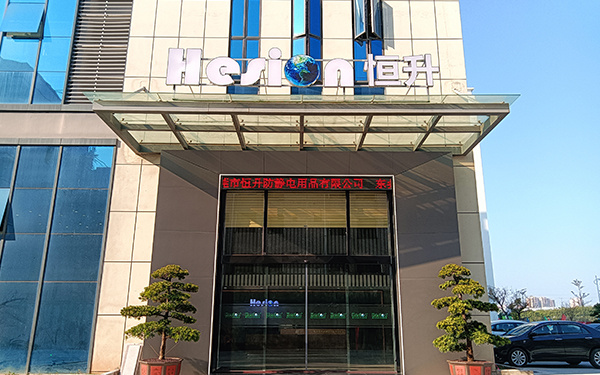
Profile
Hesion is proud to have clients like you, and we will do our best to provide you with excellent service and become your loyal partner and friend!
-
Product
TENS electrode film; conductive carbon film; PE conductive film; anti-static shielding film; anti-static film; anti-static shielding bag; anti-static bag; conductive bag; conductive grid bag; automatic packaging bag; PET anti-static film; conductive tape; plastic packaging; anti-static plastic; transparent conductive sheet; anti-static plastic stationery.
-

Cases
Functional films; shielding materials; plastic sheets; anti-static conductive plastic films; electronic product packaging; plastic packaging products.

News
Aggregate industry real-time dynamics and release news information. Welcome your attention.
Understanding ESD Wafer Separation Film Squares in Construction and Decoration Materials
Release Time:
2026.06.10
ESD wafer separation film squares are designed to prevent electrostatic discharge, which can be detrimental to electronic components commonly used in modern construction projects. By using these films, contractors and manufacturers can safeguard delicate electronic parts from damage caused by static electricity. This is particularly crucial when dealing with sensitive devices that are integrated into building systems, such as sensors and automation controls.
One of the primary benefits of utilizing ESD wafer separation film squares is their ability to enhance product reliability. When construction components are protected from electrostatic damage, the overall quality of the final product is significantly improved. This leads to reduced failure rates and increased longevity of the structures, resulting in substantial cost savings over time.
Moreover, the adoption of ESD wafer separation film squares is not limited to merely protecting electronic components. They can also be employed during the fabrication and assembly of various materials. For instance, in the case of complex steel structures, these films can assist in the separation of layers, preventing them from sticking together and ensuring smooth handling. This application becomes particularly relevant in projects that require precision and meticulous assembly processes.
In the realm of membrane structures, ESD wafer separation film squares can also play a crucial role. These structures often incorporate advanced materials that require careful handling to maintain their properties. The films provide a protective barrier that keeps the layers distinct, thereby avoiding damage during transport and installation.
Furthermore, as the construction industry moves towards more sustainable practices, the use of ESD wafer separation film squares aligns well with these initiatives. By enhancing the durability and reliability of materials, these films contribute to the longevity of structures, thus supporting sustainability efforts.
In conclusion, the integration of ESD wafer separation film squares into construction and decoration materials, especially steel and membrane structures, is a proactive step towards improving quality and reliability. As the industry continues to evolve, embracing innovative solutions like these films can lead to better outcomes, reduced costs, and ultimately, more sustainable building practices. For contractors and manufacturers, understanding the applications and benefits of ESD wafer separation film squares is essential in today’s competitive market.
Let's stay in touch!
We provide you with standardized products, develop customized products, and provide solutions to meet the diverse needs of customers
Service Hotline
Inquire Now
Company Address: No. 691, Huanchang North Road, Changping Town, Dongguan City, Guangdong Province, Building 1, Floor 1, Shangshang Industrial Park
Email:hesion@foxmail.com


WeChat Official Account
Alibaba Credit Pass
Copyright of this page belongs to Dongguan Hesion Anti-static Products Co., Ltd.
Website:300.cn dongguan.300.cn SEO Privacy Policy