

-
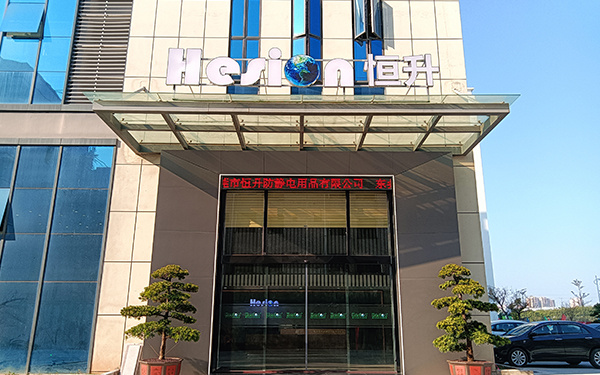
Profile
Hesion is proud to have clients like you, and we will do our best to provide you with excellent service and become your loyal partner and friend!
-
Product
TENS electrode film; conductive carbon film; PE conductive film; anti-static shielding film; anti-static film; anti-static shielding bag; anti-static bag; conductive bag; conductive grid bag; automatic packaging bag; PET anti-static film; conductive tape; plastic packaging; anti-static plastic; transparent conductive sheet; anti-static plastic stationery.
-

Cases
Functional films; shielding materials; plastic sheets; anti-static conductive plastic films; electronic product packaging; plastic packaging products.

News
Aggregate industry real-time dynamics and release news information. Welcome your attention.
Enhance Your LED Assembly Efficiency with ESD Dust-Free Interleaving Paper
Release Time:
2026.04.14
Boost Your LED Assembly Process with ESD Dust-Free Interleaving Paper
In the ever-evolving world of LED manufacturing, maintaining quality and efficiency is paramount. One crucial element that can significantly enhance your LED assembly process is the use of **ESD dust-free interleaving paper**. This specialized material plays a vital role in protecting sensitive components, ensuring that your products meet the highest standards of quality. In this comprehensive guide, we will delve into the myriad benefits of ESD dust-free interleaving paper, its applications, and how it can elevate your LED assembly process to new heights.
Table of Contents
- What is ESD Dust-Free Interleaving Paper?
- The Importance of ESD Protection in LED Manufacturing
- Benefits of ESD Dust-Free Interleaving Paper
- Applications of ESD Dust-Free Interleaving Paper
- Choosing the Right ESD Dust-Free Interleaving Paper
- Best Practices for Using ESD Dust-Free Interleaving Paper
- Frequently Asked Questions
- Conclusion
What is ESD Dust-Free Interleaving Paper?
ESD dust-free interleaving paper is a specialized type of paper designed to protect electronic components from electrostatic discharge (ESD) and dust contamination during the manufacturing and assembly processes. This paper is typically constructed from high-quality materials and is coated with a conductive polymer that dissipates static electricity. By interleaving this paper between layers of sensitive electronic components, manufacturers can ensure that their products remain free from damage caused by static electricity and particulate matter.
Composition and Properties of ESD Dust-Free Interleaving Paper
The composition of ESD dust-free interleaving paper is critical to its performance. It is made from a blend of cellulose fibers and conductive additives that provide excellent static dissipation properties. The paper is also designed to be dust-free, meaning it does not shed particles that could contaminate sensitive components. This quality is essential in environments where cleanliness and static control are crucial.
The Importance of ESD Protection in LED Manufacturing
In LED manufacturing, protecting sensitive components from ESD is vital for ensuring product reliability and performance. ESD can cause irreversible damage to LED chips, leading to reduced efficiency, failure, and increased production costs. By implementing effective ESD protection measures, such as using ESD dust-free interleaving paper, manufacturers can significantly reduce the risk of component damage.
Consequences of ESD Damage
The consequences of ESD damage in LED manufacturing can be severe. Components that are exposed to static electricity may experience:
- Decreased performance and efficiency
- Shortened lifespan of the LEDs
- Increased failure rates, leading to higher warranty costs
- Compromised product quality, affecting customer satisfaction
Benefits of ESD Dust-Free Interleaving Paper
Integrating ESD dust-free interleaving paper into your LED assembly process offers numerous advantages:
1. Enhanced Protection Against ESD
The primary benefit of ESD dust-free interleaving paper is its ability to protect sensitive LED components from electrostatic discharge. By dissipating static charges, manufacturers can prevent potential damage during handling and transport.
2. Dust-Free Environment
With its dust-free properties, this interleaving paper ensures that no particulate matter contaminates the components. This is particularly crucial in cleanroom environments where even the smallest dust particles can compromise quality.
3. Improved Assembly Efficiency
Using ESD dust-free interleaving paper can streamline your assembly process. By providing a reliable barrier between components, you can minimize the time spent on cleaning and inspection, thus enhancing overall productivity.
4. Cost-Effectiveness
Although the initial investment in ESD dust-free interleaving paper may seem high, the long-term savings in reduced failure rates and increased product quality can outweigh these costs. Lower warranty claims and fewer defective products contribute to a more cost-effective operation.
5. Compliance with Industry Standards
Many industries, including LED manufacturing, are subject to strict ESD control standards. Utilizing ESD dust-free interleaving paper helps ensure compliance with these regulations, protecting your business from potential penalties and ensuring customer trust.
Applications of ESD Dust-Free Interleaving Paper
ESD dust-free interleaving paper can be utilized in various applications within the LED manufacturing process:
1. During Assembly
When assembling LED components, interleaving this paper between layers can significantly reduce the risk of ESD damage. This application is particularly beneficial when handling delicate components such as LED chips and drivers.
2. Storage and Transportation
Using ESD dust-free interleaving paper during storage and transportation protects your components from both static electricity and dust contamination. This ensures that your products maintain their quality throughout the supply chain.
3. Integration with Other ESD Control Measures
ESD dust-free interleaving paper can be effectively integrated with other ESD control measures, such as anti-static bags, mats, and wrist straps. This holistic approach enhances the overall protection of your LED components.
Choosing the Right ESD Dust-Free Interleaving Paper
Selecting the appropriate ESD dust-free interleaving paper requires careful consideration of several factors:
1. Thickness and Weight
The thickness and weight of the paper can affect its performance. Thicker papers may provide better protection but can be bulkier, while lighter options may be more flexible but offer less protection. Assess your specific needs to determine the best fit.
2. Conductivity Levels
Different applications may require varying levels of conductivity. Ensure that the ESD dust-free interleaving paper you choose meets the conductivity requirements for your LED components.
3. Cleanliness Standards
Evaluate the cleanliness standards required in your production environment. Opt for ESD dust-free interleaving paper that adheres to the necessary cleanliness criteria to maintain quality.
4. Supplier Reputation
Choosing a reputable supplier is crucial. Look for manufacturers with a proven track record in producing high-quality ESD dust-free interleaving paper to ensure reliability and performance.
Best Practices for Using ESD Dust-Free Interleaving Paper
To maximize the benefits of ESD dust-free interleaving paper, consider implementing the following best practices:
1. Proper Handling
Handle the paper with care to avoid introducing contaminants. Use clean gloves when working with the paper, and ensure that the surrounding environment is free from dust and static build-up.
2. Regular Inspections
Conduct regular inspections of the interleaving paper and the components it protects. Look for signs of wear or contamination, and replace the paper as necessary to maintain optimal protection.
3. Training Employees
Educate your employees on the importance of ESD protection and the correct usage of ESD dust-free interleaving paper. Proper training can help prevent costly mistakes and enhance overall production quality.
Frequently Asked Questions
1. What is the main function of ESD dust-free interleaving paper?
The primary function of ESD dust-free interleaving paper is to protect sensitive electronic components from electrostatic discharge and dust contamination during assembly and transport.
2. How does ESD dust-free interleaving paper work?
This paper contains conductive materials that dissipate static electricity, preventing damage to sensitive components. It also has dust-free properties that keep particulate matter away from the components.
3. Can I use regular paper instead of ESD dust-free interleaving paper?
Using regular paper is not recommended as it may not provide the necessary ESD protection and can introduce contaminants that compromise product quality.
4. How should I store ESD dust-free interleaving paper?
Store ESD dust-free interleaving paper in a clean, dry environment, away from direct sunlight and potential sources of contamination to maintain its effectiveness.
5. Is ESD dust-free interleaving paper environmentally friendly?
Many manufacturers produce ESD dust-free interleaving paper using sustainable practices, and some options are recyclable. It's essential to check with the supplier regarding specific environmental certifications.
Conclusion
Incorporating **ESD dust-free interleaving paper** into your LED assembly process can significantly enhance quality and efficiency. By providing superior protection against electrostatic discharge and dust contamination, this specialized paper ensures that your products meet the highest standards. As you explore the benefits, applications, and best practices outlined in this guide, you will be better equipped to elevate your manufacturing process and maintain a competitive edge in the LED industry. Invest in ESD dust-free interleaving paper today and witness the transformative impact it can have on your production quality and operational efficiency.
Recommended Dynamics
Let's stay in touch!
We provide you with standardized products, develop customized products, and provide solutions to meet the diverse needs of customers
Service Hotline
Inquire Now
Company Address: No. 691, Huanchang North Road, Changping Town, Dongguan City, Guangdong Province, Building 1, Floor 1, Shangshang Industrial Park
Email:hesion@foxmail.com


WeChat Official Account
Alibaba Credit Pass
Copyright of this page belongs to Dongguan Hesion Anti-static Products Co., Ltd.
Website:300.cn dongguan.300.cn SEO Privacy Policy