

-
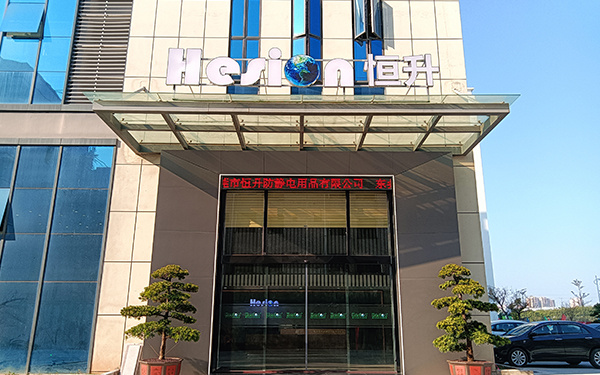
Profile
Hesion is proud to have clients like you, and we will do our best to provide you with excellent service and become your loyal partner and friend!
-

Product
TENS electrode film; conductive carbon film; PE conductive film; anti-static shielding film; anti-static film; anti-static shielding bag; anti-static bag; conductive bag; conductive grid bag; automatic packaging bag; PET anti-static film; conductive tape; plastic packaging; anti-static plastic; transparent conductive sheet; anti-static plastic stationery.
-

Cases
Functional films; shielding materials; plastic sheets; anti-static conductive plastic films; electronic product packaging; plastic packaging products.

News
Aggregate industry real-time dynamics and release news information. Welcome your attention.
ESD OPC Drum Packaging: Ensuring Safe and Secure Transport of Instruments
Release Time:
2026.04.17
ESD OPC Drum Packaging: Ensuring Safe and Secure Transport of Instruments
Table of Contents
- What is ESD OPC Drum Packaging?
- The Importance of ESD Protection in Transport
- Challenges in Instrument Transport
- Benefits of ESD OPC Drum Packaging
- Components of ESD OPC Drum Packaging
- Innovations in Packaging Solutions
- Best Practices for ESD Packaging
- Conclusion
- FAQs
What is ESD OPC Drum Packaging?
**ESD OPC (Electrostatic Discharge Overpackaging Control) Drum Packaging** is specifically designed to protect sensitive electronic instruments and devices from electrostatic discharge during transportation. These packaging solutions consist of a combination of conductive materials, cushioning systems, and secure sealing methods to ensure that instruments remain safe from both physical damage and electrostatic interference.
The Importance of ESD Protection in Transport
In today’s highly technology-driven world, the risk of **electrostatic discharge** (ESD) poses a significant threat to electronic instruments. ESD can cause irreversible damage to sensitive components, leading to costly repairs or replacements. This risk makes ESD protection a non-negotiable aspect of instrument transport, especially when dealing with sophisticated machinery and electronic devices. By employing ESD OPC drum packaging, organizations can minimize the risk of damage and ensure that equipment arrives at its destination in optimal condition.
Challenges in Instrument Transport
Transporting instruments safely presents several challenges:
- Physical Damage: Instruments can be easily damaged due to impacts, vibrations, or environmental conditions during transit.
- Electrostatic Discharge: As discussed, ESD poses a significant risk to sensitive electronics.
- Environmental Factors: Factors such as humidity, temperature fluctuations, and dust can jeopardize the integrity of the instruments.
- Regulatory Compliance: Adhering to industry regulations for packaging and transport can be challenging.
Benefits of ESD OPC Drum Packaging
The advantages of using **ESD OPC drum packaging** for instrument transport include:
- Enhanced Protection: The packaging is designed to absorb shocks and prevent ESD, ensuring that instruments remain intact.
- Cost-Effective Solution: Preventing damage reduces repair costs and downtime associated with instrument failures.
- Compliance Assurance: Many ESD packaging solutions meet industry standards, providing peace of mind that regulatory requirements are satisfied.
- Customizable Options: Packaging can be tailored to fit specific instruments and their unique transport needs.
Components of ESD OPC Drum Packaging
Understanding the components of ESD OPC drum packaging is essential for effective implementation. Key elements include:
Conductive Materials
ESD packaging often utilizes materials that dissipate static electricity, such as conductive foams, plastics, and films. These materials ensure that any static charge is safely redirected away from sensitive components.
Cushioning Systems
Effective cushioning systems, such as foam inserts or bubble wrap, are crucial for absorbing shocks and vibrations during transport. These systems help maintain the integrity of the instruments by providing a protective barrier against external forces.
Sealing Mechanisms
Proper sealing is vital for preventing moisture and contaminants from affecting the packaged instruments. Advanced sealing methods, such as heat sealing or adhesive seals, enhance the overall protection offered by the packaging.
Labeling and Documentation
Clear labeling and accompanying documentation are essential for ensuring that handlers understand the sensitivity of the contents. This includes warnings regarding ESD susceptibility and handling instructions.
Innovations in Packaging Solutions
As technology evolves, so do packaging solutions. Recent innovations in ESD packaging include:
Smart Packaging Technologies
Smart packaging incorporates sensors that can detect environmental conditions such as humidity or temperature. This real-time monitoring can alert transporters to potential issues that may compromise the safety of the instruments.
Biodegradable ESD Materials
With increasing environmental concerns, the development of biodegradable ESD materials is gaining traction. These sustainable options provide protection without contributing to plastic waste.
Modular Packaging Designs
Modular designs allow businesses to adapt their packaging solutions based on the specific instruments being transported. This flexibility can lead to enhanced safety and efficiency in the packaging process.
Best Practices for ESD Packaging
To maximize the effectiveness of ESD OPC drum packaging, organizations should follow these best practices:
1. Conduct a Risk Assessment
Evaluate the specific risks associated with the instruments being transported. This assessment will guide packaging decisions based on their sensitivity to ESD and physical impacts.
2. Choose the Right Materials
Select appropriate conductive materials and cushioning systems designed specifically for the type of instruments being packaged. Ensure compatibility with the unique requirements of each device.
3. Train Personnel
Ensure that all personnel involved in packaging and handling understand ESD principles and the importance of using proper techniques to prevent damage during transit.
4. Implement Quality Control Measures
Establish quality control processes to monitor the integrity of the packaging and ensure that all components meet specified standards before dispatch.
5. Provide Clear Handling Instructions
Label packages clearly with handling instructions and ESD warnings. This helps ensure that everyone involved in the transport process understands the importance of careful handling.
Conclusion
In the realm of instrument transport, **ESD OPC drum packaging** emerges as a critical solution to safeguard sensitive equipment against electrostatic discharge and physical damage. By understanding the components, benefits, and best practices associated with this packaging method, organizations can significantly reduce the risks involved in transporting their instruments. As technology continues to advance, staying informed about innovations in packaging solutions will further enhance safety and efficiency in the transport process. Prioritizing ESD protection not only preserves the integrity of instruments but also upholds the reputation of organizations dedicated to delivering quality and reliability.
FAQs
1. What does ESD stand for?
ESD stands for Electrostatic Discharge, which is the sudden flow of electricity between two objects caused by contact or an electric field.
2. Why is ESD protection important for instruments?
ESD protection is crucial because electrostatic discharges can damage sensitive electronic components, leading to malfunctions and costly repairs.
3. What materials are commonly used in ESD packaging?
Common materials include conductive foams, bags, and films that effectively dissipate static electricity, protecting the contents within.
4. How can I ensure my instruments are safely packaged for transport?
Use appropriate ESD packaging materials, conduct risk assessments, train personnel on handling procedures, and label packages clearly with instructions and warnings.
5. Are there eco-friendly options for ESD packaging?
Yes, there are biodegradable ESD materials available that provide necessary protection while being environmentally friendly.
Recommended Dynamics
Let's stay in touch!
We provide you with standardized products, develop customized products, and provide solutions to meet the diverse needs of customers
Service Hotline
Inquire Now
Company Address: No. 691, Huanchang North Road, Changping Town, Dongguan City, Guangdong Province, Building 1, Floor 1, Shangshang Industrial Park
Email:hesion@foxmail.com


WeChat Official Account
Alibaba Credit Pass
Copyright of this page belongs to Dongguan Hesion Anti-static Products Co., Ltd.
Website:300.cn dongguan.300.cn SEO Privacy Policy