

-
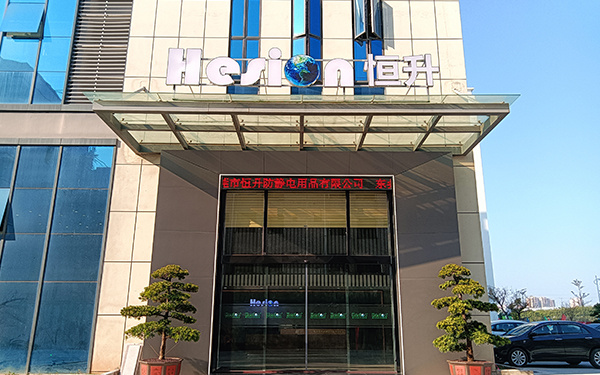
Profile
Hesion is proud to have clients like you, and we will do our best to provide you with excellent service and become your loyal partner and friend!
-
Product
TENS electrode film; conductive carbon film; PE conductive film; anti-static shielding film; anti-static film; anti-static shielding bag; anti-static bag; conductive bag; conductive grid bag; automatic packaging bag; PET anti-static film; conductive tape; plastic packaging; anti-static plastic; transparent conductive sheet; anti-static plastic stationery.
-

Cases
Functional films; shielding materials; plastic sheets; anti-static conductive plastic films; electronic product packaging; plastic packaging products.

News
Aggregate industry real-time dynamics and release news information. Welcome your attention.
The Importance of ESD Wafer Separation Film in Clean Room Environments
Release Time:
2026.06.26
The Importance of ESD Wafer Separation Film in Clean Room Environments
Understanding ESD and Its Impact on Clean Room Operations
In the realm of semiconductor manufacturing and other electronic processes, **Electrostatic Discharge (ESD)** poses a significant threat. This phenomenon occurs when excess static electricity is discharged, which can damage sensitive electronic components. Clean rooms, designed to minimize contaminants, are not immune to ESD risks. Therefore, employing effective solutions such as **ESD wafer separation film** is crucial for safeguarding equipment and products.
What is ESD Wafer Separation Film?
**ESD wafer separation film** is a specialized material designed to prevent electrostatic discharge during the handling and transportation of wafers. Made from high-quality plastic, this film features a unique composition that not only enhances the durability of the wafers but also minimizes the risks associated with static electricity. These films are characterized by their ability to **dissipate static charges**, ensuring that electronic components remain safe from potential damage.
Key Features of ESD Wafer Separation Film
The effectiveness of ESD wafer separation film in clean room environments can be attributed to several key features:
1. Static Dissipation Properties
The primary function of ESD wafer separation film is to **dissipate static electricity**. By using materials that are engineered for conductivity, these films prevent the buildup of static charge that can lead to ESD events.
2. Cleanroom Compatibility
Designed specifically for clean room applications, ESD wafer separation film is manufactured to meet stringent cleanliness standards. The materials used do not release contaminants, ensuring that the clean room environment remains uncontaminated.
3. Durability and Strength
ESD wafer separation films are robust and resistant to tearing and puncturing. This durability ensures that the film can withstand the rigors of handling and transportation without compromising its protective qualities.
4. Customizability
These films can be tailored to meet specific requirements. Whether it’s a particular size, thickness, or adhesive quality, manufacturers can customize ESD wafer separation films to suit diverse applications within clean rooms.
The Role of ESD Wafer Separation Film in Clean Room Processes
In clean room environments, the processes involved in semiconductor manufacturing and other electronic applications are highly sensitive. Even minor static discharges can lead to significant defects. Here’s how ESD wafer separation film plays a pivotal role in these operations:
1. Protection During Transport
Transporting wafers between different stages of production is critical. ESD wafer separation film serves as a protective barrier, significantly reducing the risk of static discharge during movement, which helps maintain the integrity of the wafers.
2. Enhancing Workflow Efficiency
By utilizing ESD wafer separation film, manufacturers can streamline their processes. With reduced incidents of ESD-related failures, production timelines are less likely to be interrupted, leading to **enhanced operational efficiency**.
3. Quality Assurance
The use of ESD wafer separation film contributes to overall quality assurance in manufacturing. By preventing static discharges, manufacturers can ensure that their products meet stringent quality standards, which is essential in the competitive electronics market.
4. Cost-Effectiveness
In the long run, investing in ESD wafer separation film can prove to be cost-effective. By minimizing potential damages to wafers and reducing the need for rework or replacements, manufacturers can save significantly on costs associated with ESD-related failures.
Choosing the Right ESD Wafer Separation Film
Selecting the appropriate ESD wafer separation film is essential for maximizing its benefits. Here are some factors to consider when making a choice:
1. Material Composition
Evaluate the material composition to ensure it provides the right level of static dissipation. Look for films made from high-quality conductive materials that fit your specific needs.
2. Thickness and Size
Consider the thickness and size of the film. Depending on the wafers’ dimensions, you may need customizable options. Ensure the film fits securely around the wafers to provide optimal protection.
3. Adhesive Properties
Choose films with adhesive properties suitable for your application. Depending on your handling processes, you might require a specific level of adhesion to ensure the film stays in place without leaving residue.
4. Manufacturer Reputation
Research potential suppliers and manufacturers to find those with a solid reputation in producing high-quality ESD wafer separation films. Customer reviews and industry certifications can be helpful indicators of reliability.
Applications of ESD Wafer Separation Film
ESD wafer separation film has a wide range of applications in various industries. The following sectors frequently utilize this protective material:
1. Semiconductor Manufacturing
The most prominent application of ESD wafer separation film is in semiconductor manufacturing. This industry requires stringent measures to protect delicate wafers from ESD, making this film indispensable.
2. Electronics Assembly
In the assembly of electronic components, ESD wafer separation films are utilized to ensure that parts remain free from static charges during assembly processes.
3. Optical Coating
These films are also employed in the optical coating industry, where protecting delicate substrates from static is critical for maintaining quality.
4. Laboratory and Research Facilities
Laboratories focused on research and development rely on ESD wafer separation films to protect various sensitive materials during experiments.
FAQs About ESD Wafer Separation Film
1. What is the primary purpose of ESD wafer separation film?
The primary purpose of ESD wafer separation film is to prevent electrostatic discharge that can damage sensitive electronic components during handling and transport.
2. Can ESD wafer separation film be used in non-cleanroom environments?
While ESD wafer separation film is designed for cleanroom applications, it can also be used in non-cleanroom environments where static electricity is a concern.
3. How does ESD wafer separation film contribute to cost savings?
By preventing damage to wafers due to ESD, manufacturers can reduce the costs associated with rework, replacements, and production delays.
4. Is ESD wafer separation film customizable?
Yes, ESD wafer separation films can be customized in terms of size, thickness, and adhesive properties to meet specific requirements.
5. How do I determine the right ESD wafer separation film for my needs?
Consider factors such as material composition, thickness, size, adhesive properties, and the manufacturer’s reputation when selecting the right film for your application.
Conclusion
The role of **ESD wafer separation film** in clean room environments cannot be overstated. By effectively dissipating static electricity, this specialized film protects sensitive electronic components from damage, thereby ensuring operational efficiency and product quality. As industries continue to evolve, the importance of utilizing advanced materials such as ESD wafer separation film will remain paramount. By choosing the right film tailored to specific applications, manufacturers can safeguard their processes and maintain a competitive edge in the electronics market.
Recommended Dynamics
Let's stay in touch!
We provide you with standardized products, develop customized products, and provide solutions to meet the diverse needs of customers
Service Hotline
Inquire Now
Company Address: No. 691, Huanchang North Road, Changping Town, Dongguan City, Guangdong Province, Building 1, Floor 1, Shangshang Industrial Park
Email:hesion@foxmail.com


WeChat Official Account
Alibaba Credit Pass
Copyright of this page belongs to Dongguan Hesion Anti-static Products Co., Ltd.
Website:300.cn dongguan.300.cn SEO Privacy Policy