

-
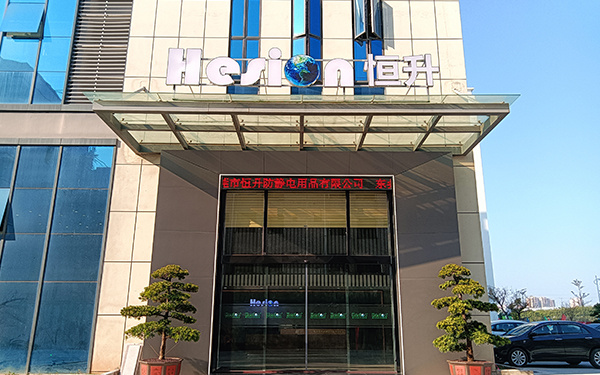
Profile
Hesion is proud to have clients like you, and we will do our best to provide you with excellent service and become your loyal partner and friend!
-
Product
TENS electrode film; conductive carbon film; PE conductive film; anti-static shielding film; anti-static film; anti-static shielding bag; anti-static bag; conductive bag; conductive grid bag; automatic packaging bag; PET anti-static film; conductive tape; plastic packaging; anti-static plastic; transparent conductive sheet; anti-static plastic stationery.
-

Cases
Functional films; shielding materials; plastic sheets; anti-static conductive plastic films; electronic product packaging; plastic packaging products.

News
Aggregate industry real-time dynamics and release news information. Welcome your attention.
Understanding ESD Wafer Separation Film Square for Enhanced Construction Applications
Release Time:
2026.07.14
The fundamental premise of ESD Wafer Separation Film Square lies in its ability to dissipate static electricity, thereby safeguarding both materials and personnel during construction and assembly. This film is typically made from a polymer matrix that is infused with conductive materials, allowing it to effectively channel static charges away from sensitive equipment. By implementing this separation film, construction professionals can ensure the integrity of electronic systems embedded within structural frameworks, such as sensors, lighting controls, and HVAC systems.
Furthermore, ESD Wafer Separation Film Square offers advantages beyond static protection. Its physical properties contribute to ease of handling and application, making it a practical choice for contractors focused on efficiency and safety. The film can be easily cut to size and layered to suit various construction applications, all while maintaining its electrostatic discharge protection capabilities. This adaptability makes it an ideal solution for projects that require precision and care in the use of electronic components.
In addition to its functional benefits, utilizing ESD Wafer Separation Film Square can also contribute to sustainability efforts within the construction industry. By protecting electronic components from damage, the film helps reduce waste and the need for replacements. This aligns with growing trends toward more sustainable construction practices, where minimizing material waste is a primary concern.
In conclusion, the integration of ESD Wafer Separation Film Square in construction projects is a forward-thinking approach that addresses both safety and efficiency. As the construction industry continues to evolve with the integration of advanced technologies, understanding and utilizing materials designed for specific protective functions will be essential. This knowledge not only enhances project outcomes but also ensures a higher standard of safety and reliability in the deployment of electronic systems within building structures.
Recommended Dynamics
Let's stay in touch!
We provide you with standardized products, develop customized products, and provide solutions to meet the diverse needs of customers
Service Hotline
Inquire Now
Company Address: No. 691, Huanchang North Road, Changping Town, Dongguan City, Guangdong Province, Building 1, Floor 1, Shangshang Industrial Park
Email:hesion@foxmail.com


WeChat Official Account
Alibaba Credit Pass
Copyright of this page belongs to Dongguan Hesion Anti-static Products Co., Ltd.
Website:300.cn dongguan.300.cn SEO Privacy Policy