

-
Profile
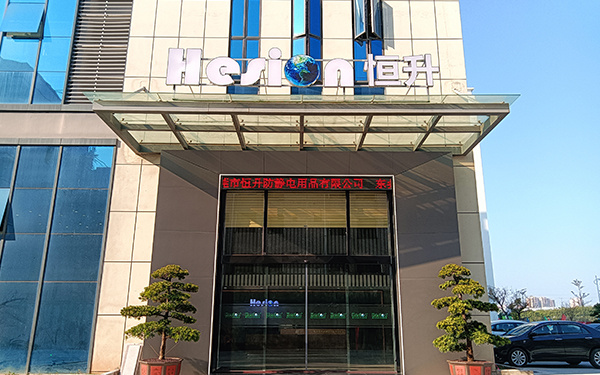
Hesion is proud to have clients like you, and we will do our best to provide you with excellent service and become your loyal partner and friend!
-
Product
TENS electrode film; conductive carbon film; PE conductive film; anti-static shielding film; anti-static film; anti-static shielding bag; anti-static bag; conductive bag; conductive grid bag; automatic packaging bag; PET anti-static film; conductive tape; plastic packaging; anti-static plastic; transparent conductive sheet; anti-static plastic stationery.
-

Cases
Functional films; shielding materials; plastic sheets; anti-static conductive plastic films; electronic product packaging; plastic packaging products.

News
Aggregate industry real-time dynamics and release news information. Welcome your attention.
ESD Dust-Free Interleaving Paper: A Revolutionary Essential for Advancing LED Technology
Release Time:
2026.07.17
Introduction to ESD Dust-Free Interleaving Paper in LED Technology
In the rapidly evolving landscape of LED technology, ensuring product integrity and performance is paramount. One of the pivotal components contributing to this goal is **ESD dust-free interleaving paper**. This specialized material not only protects sensitive LED components during manufacturing and transportation but also significantly enhances their longevity and efficiency. As we explore the intricacies of this innovative product, we will uncover its advantages and applications in modern LED manufacturing.
Understanding ESD Protection: The Basics
Electrostatic discharge (ESD) can have devastating effects on electronic components, including LED chips. ESD occurs when there is a sudden flow of electricity between two electrically charged objects, which can lead to component failure. To combat these issues, ESD protection is essential in manufacturing environments. **ESD dust-free interleaving paper** acts as a barrier against electrostatic charge while maintaining a clean environment for sensitive components.
The Composition of ESD Dust-Free Interleaving Paper
ESD dust-free interleaving paper is composed of several layers designed to provide optimal protection. The primary materials include:
1. **Conductive Fibers**: These fibers dissipate static electricity, preventing charge buildup.
2. **Dust-Free Coating**: This layer ensures that no dust particles contaminate the LED components during storage and transport.
3. **Durable Substrate**: The substrate is designed to withstand various environmental factors, making it suitable for use in different manufacturing settings.
Importance of Cleanliness in LED Manufacturing
In the LED manufacturing process, even the smallest dust particle can lead to defects in the final product. ESD dust-free interleaving paper mitigates this risk by creating a barrier that keeps components clean and free from contaminants. This cleanliness ensures that the LEDs maintain optimal performance, resulting in a higher quality product for end-users.
Key Benefits of Using ESD Dust-Free Interleaving Paper
The adoption of ESD dust-free interleaving paper in LED technology offers a multitude of benefits that can significantly enhance manufacturing processes and product quality.
1. Enhanced Protection Against ESD Damage
One of the primary advantages of ESD dust-free interleaving paper is its ability to protect sensitive LED components from electrostatic discharge. By dissipating static charges, the paper prevents potential damage that could compromise the functionality of the LEDs.
2. Reduction of Contaminants
The dust-free nature of this interleaving paper ensures that no particulate matter comes into contact with the LEDs during storage or transport. This not only reduces the risk of defects but also enhances the overall reliability of the products.
3. Improved Shelf Life of LED Components
By providing a clean and ESD-safe environment, ESD dust-free interleaving paper contributes to an extended shelf life for LED components. This means manufacturers can confidently store these components, knowing they remain in optimal condition.
4. Cost-Efficiency in Production
Implementing ESD dust-free interleaving paper can lead to cost savings over time. By reducing defects and increasing the yield of high-quality products, manufacturers can optimize their operations and minimize waste.
5. Compliance with Industry Standards
Many industries have strict regulations concerning ESD protection and cleanliness. Utilizing ESD dust-free interleaving paper helps manufacturers comply with these standards, ensuring their products meet the required specifications.
Applications of ESD Dust-Free Interleaving Paper in LED Technology
The versatility of ESD dust-free interleaving paper allows it to be used in various stages of LED manufacturing, enhancing both efficiency and product integrity.
1. During Manufacturing Processes
In the manufacturing phase, ESD dust-free interleaving paper is often employed to separate layers of LED components. This prevents cross-contamination and reduces the chances of ESD-related failures during assembly.
2. In Packaging and Shipping
When packaging LED components for shipment, ESD dust-free interleaving paper provides an essential layer of protection. It ensures that the components remain protected from dust and static electricity during transit, safeguarding their quality until they reach the customer.
3. In Storage Facilities
LED components stored in warehouses or storage facilities benefit from ESD dust-free interleaving paper. By maintaining a clean environment, manufacturers can ensure that their inventory remains in peak condition, ready for production or distribution.
Choosing the Right ESD Dust-Free Interleaving Paper
Selecting the appropriate ESD dust-free interleaving paper is crucial for maximizing its benefits in LED manufacturing. Here are some factors to consider:
1. Thickness and Weight
The thickness and weight of the interleaving paper can influence its effectiveness. Choose a paper that provides adequate protection without being too bulky for easy handling.
2. Conductivity Levels
Different applications may require varying levels of conductivity. Ensure that the chosen paper meets the specific ESD requirements of your manufacturing process.
3. Environmental Considerations
Consider the environmental conditions where the interleaving paper will be used. Its suitability for high-humidity or temperature-sensitive environments can significantly impact its performance.
4. Compatibility with LED Components
Ensure that the ESD dust-free interleaving paper is compatible with the specific types of LED components being used. This compatibility ensures maximum protection and performance.
Common FAQs About ESD Dust-Free Interleaving Paper
1. What is ESD dust-free interleaving paper made of?
ESD dust-free interleaving paper is typically made from conductive fibers and coated with a dust-free layer, ensuring protection against both electrostatic discharge and particulate contamination.
2. How does ESD dust-free interleaving paper protect LED components?
The paper dissipates electrostatic charges, preventing damage from ESD, while its dust-free properties keep components clean and free from contaminants.
3. Can ESD dust-free interleaving paper be recycled?
Many manufacturers produce ESD dust-free interleaving paper with recyclable materials. Always check with the supplier for recycling options specific to the product used.
4. How should ESD dust-free interleaving paper be stored?
Store ESD dust-free interleaving paper in a cool, dry place to maintain its effectiveness. Avoid exposure to extreme temperatures or humidity.
5. Is ESD dust-free interleaving paper suitable for all electronic components?
While primarily used for LEDs, ESD dust-free interleaving paper can be suitable for various sensitive electronic components. Always verify compatibility with the specific components being protected.
Conclusion: The Future of LED Manufacturing with ESD Dust-Free Interleaving Paper
As the LED technology landscape continues to evolve, the importance of ESD dust-free interleaving paper becomes increasingly evident. This innovative material serves as a critical line of defense against electrostatic discharge and contaminants, ensuring that LED components remain in optimal condition throughout the manufacturing and distribution processes. By investing in this essential protective layer, manufacturers can improve product quality, enhance performance, and ultimately drive the future of LED technology forward. As we embrace advancements in manufacturing practices, ESD dust-free interleaving paper stands out as a must-have for anyone involved in the LED industry.
Recommended Dynamics
Let's stay in touch!
We provide you with standardized products, develop customized products, and provide solutions to meet the diverse needs of customers
Service Hotline
Inquire Now
Company Address: No. 691, Huanchang North Road, Changping Town, Dongguan City, Guangdong Province, Building 1, Floor 1, Shangshang Industrial Park
Email:hesion@foxmail.com


WeChat Official Account
Alibaba Credit Pass
Copyright of this page belongs to Dongguan Hesion Anti-static Products Co., Ltd.
Website:300.cn dongguan.300.cn SEO Privacy Policy