

-
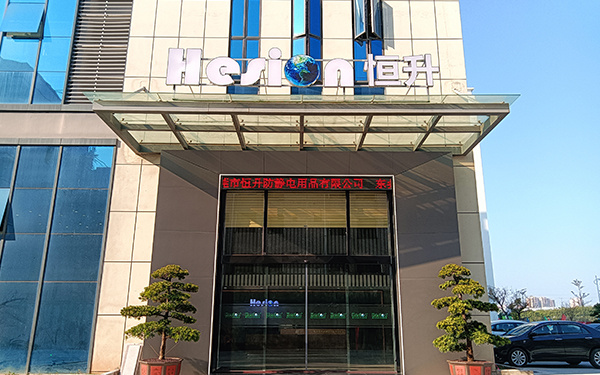
Profile
Hesion is proud to have clients like you, and we will do our best to provide you with excellent service and become your loyal partner and friend!
-

Product
TENS electrode film; conductive carbon film; PE conductive film; anti-static shielding film; anti-static film; anti-static shielding bag; anti-static bag; conductive bag; conductive grid bag; automatic packaging bag; PET anti-static film; conductive tape; plastic packaging; anti-static plastic; transparent conductive sheet; anti-static plastic stationery.
-

Cases
Functional films; shielding materials; plastic sheets; anti-static conductive plastic films; electronic product packaging; plastic packaging products.

News
Aggregate industry real-time dynamics and release news information. Welcome your attention.
Future Trends in ESD OPC Drum Packaging Technology: Innovations and Impacts
Release Time:
2026.07.20
Future Trends in ESD OPC Drum Packaging Technology
Introduction to ESD OPC Drum Packaging
The world of packaging technology is continuously evolving, driven by innovation and the demand for enhanced product protection. Among these advancements, **Electrostatic Discharge (ESD) OPC drum packaging** stands out as a critical area of focus. ESD packaging is essential for safeguarding sensitive electronic components from static electricity, which can lead to significant damage. This article delves into the future trends shaping this technology, highlighting the innovations and practices that could transform the way products are packed and transported.
The Importance of ESD Protection in Packaging
Understanding the necessity of ESD protection is crucial in industries dealing with electronic components. **Static electricity** can accumulate on surfaces and lead to discharge events that harm sensitive electrical parts. By adopting ESD packaging, companies can mitigate risks and ensure a higher level of product integrity. As technology progresses, so does the need for improved ESD solutions in packaging, especially in industries such as electronics, pharmaceuticals, and aerospace.
The Evolution of ESD Packaging Materials
One of the most significant trends in ESD OPC drum packaging technology is the evolution of materials used. Traditionally, packaging relied on conductive plastics and foams. However, the future appears to favor **biodegradable and sustainable materials**. This shift not only aligns with global sustainability goals but also meets the increasing demand for eco-friendly solutions.
Innovative Materials Driving Change
New materials, such as **graphene-infused plastics** and advanced composites, are entering the market, offering superior ESD protection while being lightweight and cost-effective. Incorporating these innovative materials can drastically enhance the performance of ESD packaging without compromising on environmental responsibilities.
Smart Technology Integration in ESD OPC Drum Packaging
The integration of smart technology into ESD packaging is another trend reshaping the industry. With the rise of the **Internet of Things (IoT)**, packaging solutions are becoming interconnected, enabling real-time monitoring and enhanced security.
IoT and ESD Packaging
Smart sensors embedded in packaging can monitor environmental conditions, such as humidity and temperature, that may affect sensitive components. This data allows companies to take proactive measures to protect their products, ensuring they arrive in optimal condition.
Benefits of Smart ESD Packaging
By leveraging smart technologies, companies can improve supply chain transparency, reduce inventory loss, and enhance customer satisfaction. The ability to track and trace products through every stage of the supply chain is becoming a game-changer in ESD OPC drum packaging.
Automation and Robotics in Packaging Processes
As industries strive for efficiency, **automation and robotics** are increasingly becoming a part of packaging processes. The use of automated systems in ESD OPC drum packaging can minimize human error and optimize production lines.
Streamlining Packaging Operations
Automated packaging machines that can handle ESD products with precision are being introduced. These machines can adapt to various drum sizes and packaging requirements, enhancing flexibility in production. Furthermore, robotics can ensure consistent quality and compliance with ESD standards.
Challenges and Solutions in Automation
Despite the advantages of automation, companies face challenges such as high initial investment costs and the need for skilled personnel to operate and maintain these systems. However, the long-term benefits often outweigh these initial hurdles, leading to improved efficiency and reduced operational costs.
The Role of Sustainability in Future ESD Packaging Solutions
Sustainability is no longer just a trend; it’s a necessity in the packaging industry. Future ESD OPC drum packaging solutions will prioritize eco-friendliness alongside performance.
Recyclability and Reusability of Packaging
The focus on recyclable and reusable packaging materials is growing. Companies are now exploring ways to incorporate **recycled content** in ESD packaging, thus reducing their carbon footprint and promoting a circular economy. This not only appeals to environmentally-conscious consumers but also complies with stricter regulations regarding waste reduction.
Life Cycle Assessment of ESD Materials
Conducting a life cycle assessment (LCA) of ESD materials helps companies understand their environmental impact from production to disposal. By evaluating the full lifecycle, organizations can make informed decisions that enhance sustainability while maintaining high-performance standards.
Customization and Flexibility in ESD Packaging Designs
As markets become more diverse, the need for customization in ESD packaging designs is paramount. Companies are increasingly seeking tailored solutions to meet specific customer requirements.
Adaptive Packaging Solutions
Future ESD OPC drum packaging will likely feature adaptive designs that can be easily modified for different products. This adaptability ensures products are securely packed regardless of their size or shape, thus reducing the risk of damage during transit.
The Impact of Customization on Supply Chain Efficiency
Customized packaging can streamline logistics and reduce costs by optimizing space and minimizing waste. Companies that invest in bespoke ESD solutions are better positioned to respond quickly to market changes and customer demands.
Regulatory Changes and Compliance in ESD Packaging
With the ongoing evolution of ESD packaging technology, regulatory standards are also changing. Keeping abreast of these regulations is essential for companies to maintain compliance and ensure product safety.
Understanding ESD Standards and Compliance Requirements
New regulations may emerge to address the complexities of ESD protection. Companies need to be proactive in understanding and implementing these standards, ensuring that their packaging solutions meet or exceed compliance.
The Importance of Certification in ESD Packaging
Obtaining certification for ESD packaging solutions can enhance a company’s credibility and reassure customers about the safety and reliability of their products. Certifications also simplify the purchasing process for businesses looking for certified ESD solutions.
Future Challenges in ESD OPC Drum Packaging Technology
While the future of ESD OPC drum packaging holds much promise, several challenges remain that companies must navigate.
Balancing Cost and Performance
As innovations emerge, companies often face the challenge of balancing cost with the need for high-performance ESD solutions. Striking this balance requires strategic planning and investment in research and development.
Adopting New Technologies
The integration of new technologies into existing processes can be daunting. Companies must assess the compatibility of these technologies with their current systems and provide adequate training to staff.
Conclusion: Embracing the Future of ESD OPC Drum Packaging Technology
The landscape of ESD OPC drum packaging technology is rapidly evolving, driven by innovations in materials, smart technologies, and sustainability. As we look to the future, companies that embrace these trends will not only enhance their product protection but also improve operational efficiency and meet the growing demands of environmentally-conscious consumers. By staying ahead of these trends and adapting to regulatory changes, businesses can position themselves as leaders in the field, ensuring the safety and integrity of their products in an ever-changing market.
FAQs about ESD OPC Drum Packaging Technology
1. What is ESD OPC drum packaging?
ESD OPC drum packaging refers to packaging designed to protect sensitive electronic components from electrostatic discharge during transportation and storage.
2. Why is ESD protection important?
ESD protection is crucial as static electricity can damage sensitive electronics, leading to significant financial losses and product failures.
3. What materials are commonly used in ESD packaging?
Common materials include conductive plastics, foams, and increasingly, biodegradable materials that offer ESD protection.
4. How can IoT improve ESD packaging solutions?
IoT can enhance ESD packaging by enabling real-time monitoring of environmental conditions, ensuring products are stored and transported in optimal conditions.
5. What are the sustainability trends in ESD packaging?
Sustainability trends include the use of recycled materials, recyclable designs, and a focus on reducing the carbon footprint of packaging processes.
Recommended Dynamics
Let's stay in touch!
We provide you with standardized products, develop customized products, and provide solutions to meet the diverse needs of customers
Service Hotline
Inquire Now
Company Address: No. 691, Huanchang North Road, Changping Town, Dongguan City, Guangdong Province, Building 1, Floor 1, Shangshang Industrial Park
Email:hesion@foxmail.com


WeChat Official Account
Alibaba Credit Pass
Copyright of this page belongs to Dongguan Hesion Anti-static Products Co., Ltd.
Website:300.cn dongguan.300.cn SEO Privacy Policy