

-
Profile
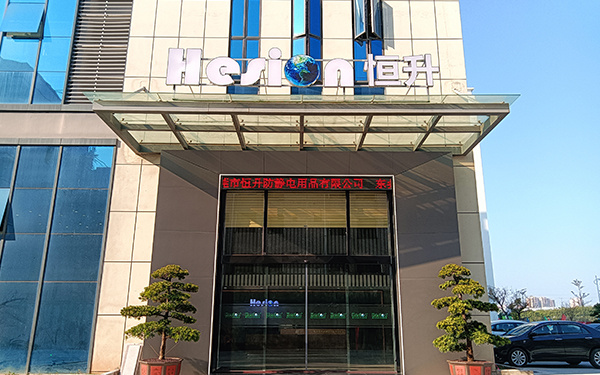
Hesion is proud to have clients like you, and we will do our best to provide you with excellent service and become your loyal partner and friend!
-
Product
TENS electrode film; conductive carbon film; PE conductive film; anti-static shielding film; anti-static film; anti-static shielding bag; anti-static bag; conductive bag; conductive grid bag; automatic packaging bag; PET anti-static film; conductive tape; plastic packaging; anti-static plastic; transparent conductive sheet; anti-static plastic stationery.
-

Cases
Functional films; shielding materials; plastic sheets; anti-static conductive plastic films; electronic product packaging; plastic packaging products.

News
Aggregate industry real-time dynamics and release news information. Welcome your attention.
How to Optimize Your LED Manufacturing with ESD Dust-Free Interleaving Paper
Release Time:
2026.07.02
How to Optimize Your LED Manufacturing with ESD Dust-Free Interleaving Paper
Introduction to ESD Dust-Free Interleaving Paper
In the world of LED manufacturing, maintaining high standards of quality and safety is paramount. One essential component that significantly contributes to this goal is **ESD dust-free interleaving paper**. This specialized material not only protects sensitive components from electrostatic discharge (ESD) but also keeps them free from dust and particulate contamination. In this article, we will explore the various ways to optimize LED manufacturing using ESD dust-free interleaving paper, ensuring a cleaner, safer, and more efficient production process.
Understanding ESD and Its Implications in LED Manufacturing
The Importance of ESD Control in Electronics
Electrostatic discharge (ESD) can cause irreversible damage to electronic components, particularly in LED manufacturing where sensitive materials are prevalent. ESD management is critical to safeguard components from potential damage and ensure product reliability. The use of ESD protective materials, such as interleaving paper, is essential in reducing the risk of static electricity build-up during handling and transport.
What is ESD Dust-Free Interleaving Paper?
**ESD dust-free interleaving paper** is a specialized protective material designed to prevent the accumulation of dust and particles while safeguarding electronic components from ESD damage. This paper is made from materials that dissipate static electricity and is often treated with anti-static coatings. It serves as a barrier between layers of components, ensuring they remain clean and undamaged throughout the manufacturing process.
Benefits of Using ESD Dust-Free Interleaving Paper
Enhanced Protection Against ESD
The primary advantage of using ESD dust-free interleaving paper is its ability to protect sensitive LED components from electrostatic discharge. By creating a barrier that dissipates static electricity, manufacturers can significantly reduce the risk of component failure.
Reduction of Contaminants
Dust and particulate contamination can lead to defects in LED products. The interleaving paper acts as a protective layer, preventing dust from settling on sensitive surfaces. This helps maintain the quality and integrity of the components throughout the manufacturing process.
Improved Handling and Transport
When components are packed with interleaving paper, they are easier to handle and transport. The paper prevents scratching and damage during movement, ensuring that products reach their next stage of production or delivery in optimal condition.
Cost-Effectiveness
While there may be an initial investment in ESD dust-free interleaving paper, the long-term benefits far outweigh the costs. By minimizing defects and component failures, manufacturers can reduce waste and increase overall productivity.
Implementing ESD Dust-Free Interleaving Paper in Your Manufacturing Process
Assessing Your Current Processes
Before integrating ESD dust-free interleaving paper into your LED manufacturing, it’s essential to assess your current processes. Identify areas where ESD risks are highest and where contamination is a concern. This will help you determine where the paper can be most effectively utilized.
Choosing the Right Type of ESD Interleaving Paper
Not all ESD interleaving papers are created equal. Consider the following factors when selecting the right product for your needs:
- **Thickness**: Thicker papers may provide better cushioning and protection.
- **Static Dissipation Rate**: Look for papers with specific static dissipative properties that meet your requirements.
- **Dust-Free Certification**: Ensure that the paper is certified dust-free to guarantee maximum protection.
Training Your Staff on Proper Handling Techniques
To fully leverage the benefits of ESD dust-free interleaving paper, it’s crucial to train your staff on proper handling techniques. Employees should understand the importance of ESD control and how to use the paper effectively to protect sensitive components.
Incorporating Interleaving Paper in Your Workflow
Integrate the use of interleaving paper into your existing workflow. This may involve adjusting packing procedures or incorporating it into the transportation of components between stages of production. A seamless integration will ensure that the benefits of the paper are realized without disrupting existing processes.
Case Studies: Successful Implementation of ESD Dust-Free Interleaving Paper
Case Study 1: A Leading LED Manufacturer
One of the leading LED manufacturers in the industry faced significant challenges with component damage during transport. By implementing ESD dust-free interleaving paper, they witnessed a **30% reduction** in defects and a marked improvement in product quality. The interleaving paper not only protected the components but also streamlined their logistics process.
Case Study 2: Small-Scale LED Assembly Business
A small-scale LED assembly business struggled with dust contamination affecting their yield rates. After incorporating ESD dust-free interleaving paper into their packing processes, they reported a significant decrease in contamination-related defects. This allowed them to enhance their product reliability and customer satisfaction, leading to an increase in sales.
FAQs About ESD Dust-Free Interleaving Paper
1. What is the lifespan of ESD dust-free interleaving paper?
The lifespan of ESD dust-free interleaving paper varies depending on usage and environmental conditions. Generally, it remains effective as long as it is stored properly and not damaged during handling.
2. Can ESD dust-free interleaving paper be reused?
It is not recommended to reuse ESD dust-free interleaving paper, as it may accumulate contaminants and lose its protective properties over time.
3. Is ESD dust-free interleaving paper environmentally friendly?
Many manufacturers produce ESD dust-free interleaving paper using recyclable materials, making them a more environmentally friendly option compared to traditional packing materials.
4. How do I store ESD dust-free interleaving paper?
Store ESD dust-free interleaving paper in a dry environment, away from direct sunlight and extreme temperatures, to maintain its protective qualities.
5. Are there alternatives to ESD dust-free interleaving paper?
While ESD dust-free interleaving paper is highly effective, other alternatives such as ESD bubble wrap or ESD foam may also provide protection. However, they may not offer the same level of dust prevention.
Conclusion
In conclusion, integrating **ESD dust-free interleaving paper** into your LED manufacturing process is a strategic move that can enhance product quality, reduce defects, and streamline operations. By understanding the implications of ESD, assessing current processes, and choosing the right materials, manufacturers can optimize their workflows and ensure the reliability of their products. Through successful case studies and practical implementation steps, it is evident that ESD dust-free interleaving paper is an essential component of modern LED manufacturing. Embrace this innovative solution to elevate your production standards and achieve greater success in the competitive LED market.
Let's stay in touch!
We provide you with standardized products, develop customized products, and provide solutions to meet the diverse needs of customers
Service Hotline
Inquire Now
Company Address: No. 691, Huanchang North Road, Changping Town, Dongguan City, Guangdong Province, Building 1, Floor 1, Shangshang Industrial Park
Email:hesion@foxmail.com


WeChat Official Account
Alibaba Credit Pass
Copyright of this page belongs to Dongguan Hesion Anti-static Products Co., Ltd.
Website:300.cn dongguan.300.cn SEO Privacy Policy