

-
Profile
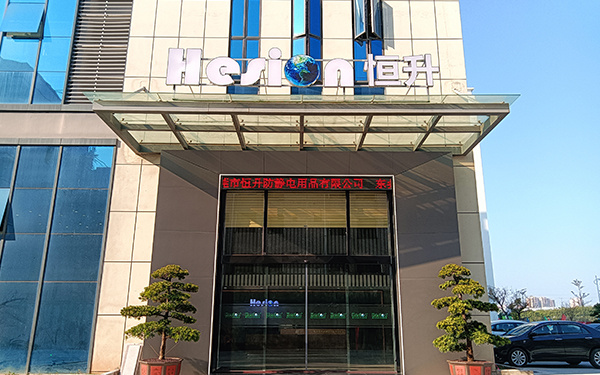
Hesion is proud to have clients like you, and we will do our best to provide you with excellent service and become your loyal partner and friend!
-
Product
TENS electrode film; conductive carbon film; PE conductive film; anti-static shielding film; anti-static film; anti-static shielding bag; anti-static bag; conductive bag; conductive grid bag; automatic packaging bag; PET anti-static film; conductive tape; plastic packaging; anti-static plastic; transparent conductive sheet; anti-static plastic stationery.
-

Cases
Functional films; shielding materials; plastic sheets; anti-static conductive plastic films; electronic product packaging; plastic packaging products.

News
Aggregate industry real-time dynamics and release news information. Welcome your attention.
Utilizing ESD Dust-Free Interleaving Paper for Safer LED Production Environments
Release Time:
2026.09.30
Utilizing ESD Dust-Free Interleaving Paper for Safer LED Production Environments
Table of Contents
- 1. Introduction to ESD Dust-Free Interleaving Paper
- 2. The Importance of ESD Control in LED Production
- 3. Benefits of Using ESD Dust-Free Interleaving Paper
- 4. Applications of ESD Dust-Free Interleaving Paper in LED Manufacturing
- 5. Best Practices for Implementing ESD Dust-Free Interleaving Paper
- 6. Choosing the Right ESD Dust-Free Interleaving Paper
- 7. Case Studies: Success Stories in LED Production
- 8. Frequently Asked Questions
- 9. Conclusion
1. Introduction to ESD Dust-Free Interleaving Paper
In the world of LED production, maintaining a clean and controlled environment is vital for ensuring product quality and safety. ESD (Electrostatic Discharge) dust-free interleaving paper serves as an essential tool in achieving these objectives. This specialized paper provides a barrier against dust and other contaminants while also managing electrostatic discharge, which can compromise sensitive electronic components during manufacturing processes.
The adoption of ESD dust-free interleaving paper not only enhances the safety of the production environment but significantly improves operational efficiency. By understanding its features and benefits, manufacturers can make informed decisions that lead to safer and more efficient production processes.
2. The Importance of ESD Control in LED Production
Electrostatic discharge is one of the leading causes of failure in electronic components, particularly in sensitive devices like LEDs. The phenomenon can cause immediate damage or degrade component performance over time, leading to costly returns and a loss of customer trust. Therefore, effective ESD control strategies are paramount in LED manufacturing settings.
Implementing ESD protective measures, such as dust-free interleaving paper, minimizes the risks associated with static electricity. This approach not only safeguards the integrity of LED components but also streamlines production by reducing the likelihood of defects and malfunctions.
3. Benefits of Using ESD Dust-Free Interleaving Paper
Utilizing ESD dust-free interleaving paper offers numerous advantages, making it an invaluable resource in LED production environments. Here are some key benefits to consider:
3.1 Enhanced Protection Against Contaminants
The primary function of interleaving paper is to provide a physical barrier that prevents dust and other contaminants from settling on sensitive components. This protection is critical in maintaining high-quality production standards.
3.2 Reduction of Electrostatic Discharge
By employing materials specifically designed to dissipate static electricity, ESD dust-free interleaving paper effectively reduces the risk of electrostatic discharge. This characteristic is essential for preventing damage to sensitive LED components during handling and transportation.
3.3 Improved Operational Efficiency
With reduced instances of contamination and ESD-related defects, manufacturers can enjoy improved operational efficiency. This efficiency translates to fewer production interruptions, lower scrap rates, and enhanced overall productivity.
3.4 Cost-Effectiveness in the Long Run
While the initial investment in ESD dust-free interleaving paper may seem substantial, the long-term savings are undeniable. By preventing defects and returns, manufacturers save on costs associated with warranty claims, replacements, and production downtime.
4. Applications of ESD Dust-Free Interleaving Paper in LED Manufacturing
The versatility of ESD dust-free interleaving paper allows for its application in various stages of LED production. Here are some common applications:
4.1 During Component Handling
When handling individual LED components, utilizing interleaving paper prevents contamination from dust and static electricity. This practice ensures that each component remains in pristine condition before assembly.
4.2 In Packaging Solutions
Effective packaging solutions are crucial for protecting LED products during shipping and storage. ESD dust-free interleaving paper can be integrated into packaging designs to safeguard against ESD and contamination.
4.3 In Cleanroom Environments
In cleanroom settings, where maintaining a controlled atmosphere is vital, ESD dust-free interleaving paper can help uphold cleanliness and static control. Its use in such environments ensures compliance with stringent industry standards.
5. Best Practices for Implementing ESD Dust-Free Interleaving Paper
To maximize the benefits of ESD dust-free interleaving paper, manufacturers should adhere to several best practices:
5.1 Assess Environmental Conditions
Before implementation, assess the specific environmental conditions of your production area. Understanding humidity levels, temperature, and existing ESD control measures will help determine the optimal application of interleaving paper.
5.2 Train Staff on Proper Usage
Employee training is crucial for the effective use of ESD dust-free interleaving paper. Ensure that all staff members are knowledgeable about its importance, handling procedures, and integration into existing processes.
5.3 Regularly Monitor and Maintain ESD Controls
Continuous monitoring of ESD control measures is essential for maintaining a safe production environment. Regular audits and assessments can help identify areas for improvement and ensure that ESD dust-free interleaving paper is utilized effectively.
6. Choosing the Right ESD Dust-Free Interleaving Paper
Selecting the appropriate ESD dust-free interleaving paper is critical for maximizing its effectiveness. Consider the following factors during the selection process:
6.1 Material Composition
Different ESD dust-free interleaving papers are made from various materials. Choose a paper that offers optimal protection against both contaminants and electrostatic discharge based on your specific production requirements.
6.2 Thickness and Weight
The thickness and weight of the paper can impact its protective capabilities. Evaluate the needs of your production line to determine the ideal balance between weight and protection.
6.3 Compatibility with Existing Systems
Ensure that the chosen interleaving paper is compatible with existing handling and packaging systems. This compatibility is essential for seamless integration into your production processes.
7. Case Studies: Success Stories in LED Production
Real-world examples provide valuable insights into the effective use of ESD dust-free interleaving paper in LED production. Here are two notable successes:
7.1 Case Study 1: Improving Yield Rates
A major LED manufacturer implemented ESD dust-free interleaving paper in its component handling processes. As a result, they observed a significant reduction in defects, leading to improved yield rates and overall product quality.
7.2 Case Study 2: Cost Savings through Enhanced Packaging
Another LED company integrated ESD dust-free interleaving paper into its packaging solutions. This move not only protected products during shipment but also resulted in lower warranty claims, generating substantial cost savings.
8. Frequently Asked Questions
8.1 What is ESD dust-free interleaving paper?
ESD dust-free interleaving paper is a specialized material designed to protect sensitive electronic components from dust and electrostatic discharge during handling, packaging, and storage.
8.2 How does ESD dust-free interleaving paper work?
The paper is engineered to dissipate static electricity while providing a barrier against dust and contaminants, ensuring that electronic components remain safe and undamaged.
8.3 Can ESD dust-free interleaving paper be reused?
While some applications may allow for limited reuse, it is generally recommended to use fresh interleaving paper for optimal protection and cleanliness.
8.4 Is ESD dust-free interleaving paper environmentally friendly?
Many ESD dust-free interleaving papers are recyclable, but it's essential to verify the manufacturer's specifications regarding environmental impact.
8.5 Where can I purchase ESD dust-free interleaving paper?
ESD dust-free interleaving paper can be sourced from specialized suppliers, manufacturers of packaging materials, and ESD control product distributors.
9. Conclusion
Incorporating ESD dust-free interleaving paper into LED production environments is crucial for enhancing safety and quality. By preventing contamination and managing electrostatic discharge, manufacturers can protect sensitive components, improve operational efficiency, and reduce costs associated with defects. By understanding and implementing best practices, manufacturers can leverage this innovative material to create safer, more productive LED production environments.
Let's stay in touch!
We provide you with standardized products, develop customized products, and provide solutions to meet the diverse needs of customers
Service Hotline
Inquire Now
Company Address: No. 691, Huanchang North Road, Changping Town, Dongguan City, Guangdong Province, Building 1, Floor 1, Shangshang Industrial Park
Email:hesion@foxmail.com


WeChat Official Account
Alibaba Credit Pass
Copyright of this page belongs to Dongguan Hesion Anti-static Products Co., Ltd.
Website:300.cn dongguan.300.cn SEO Privacy Policy